How to Get Your Business Cashflow Ready for 2026/2027
A practical four-step guide for New Zealand small businesses to plan ahead, build a rolling cashflow forecast, and understand your funding options before you need them.
The start of a new financial year is a natural moment to reset. Not just to review what happened last year, but to look ahead at what you want to achieve, and whether your cashflow is set up to support it.
For many Kiwi businesses, this time of year can feel tight. Key tax dates are approaching, growth plans are forming, and cashflow gaps can quickly appear if they’re not planned for.
What we see at Bizzy is simple: the businesses that plan ahead for cashflow and funding make better decisions and get better outcomes.
At Bizzy, our mission is to help businesses navigate cashflow and access the right funding to grow. That’s why we’ve put together a practical guide to help you get cashflow-ready for 2026/2027 covering four key steps:
What this guide covers:
Set clear goals: Start with where you want to go
Build a simple strategy: How you'll actually get there
Build a 3-month rolling cashflow forecast
Understand your funding options and when to use them
1. Set clear goals: Start with where you want to go
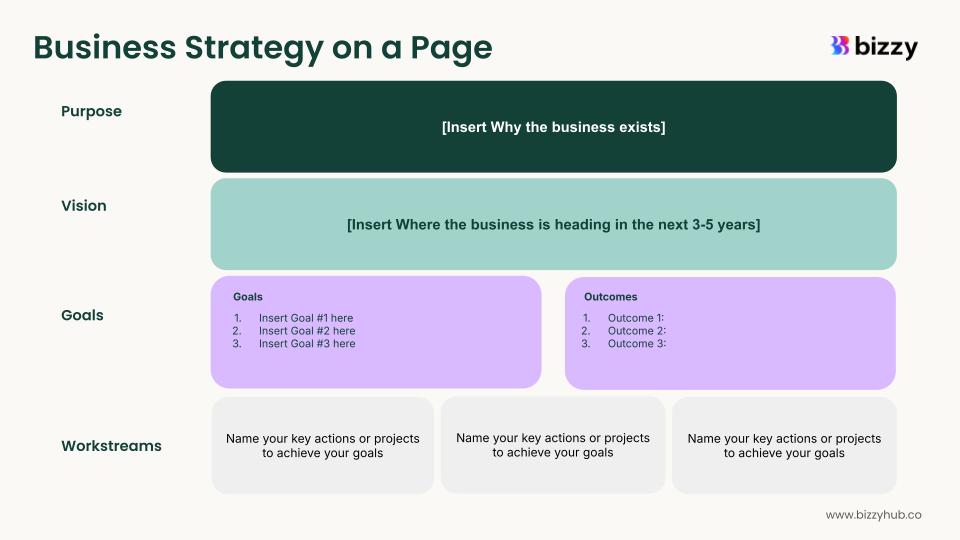
2. Build a Simple Business Strategy: How You'll Actually Get There
"Strategy is just deciding what matters, and having the guts to say no to everything else."
– Mike Burke
3. Build a 3-month rolling cashflow forecast
A cashflow forecast is a forward-looking view of the money coming in and going out of your business, typically across a 3-month rolling window. It's one of the most practical tools a business owner can use, and one of the most underused.
Even the best strategy falls over without cashflow visibility. Knowing what you want to achieve is one thing. Knowing whether your business can financially support it is another.
Many businesses get caught out by upcoming cashflow visibility, especially around key financial dates like provisional tax, GST, and year-end obligations.
"Planning and discipline makes all the difference. Don't bury your head in the sand."
– Baqir Hussain of Finex Accounting
We’ve implemented this at Bizzy and it changed how we plan and make decisions. We now share the exact template we use, created by one of our trusted finance partners and refined over five years with input from a wide range of Kiwi businesses.
A good 3 month cashflow forecast helps you:
Map your incomings and outgoings for the next three months
Spot cashflow dips before they become urgent
Make smarter calls around expenses, payment timing, and when to explore funding
Stay across and be prepared for key tax payments
Download the free Bizzy Cashflow Template, Built with Kiwi Businesses and refined over the last 5 years.
4. Understand your business funding options in New Zealand
Once you have your goals set and your cashflow mapped, you'll have a much clearer picture of where funding might play a role.
For some businesses, that means bridging a seasonal dip. For others, it's having capital available to move quickly on an opportunity, whether that's new equipment, a key hire, or moving into a new market.
What we see at Bizzy is that business owners who come to the funding conversation with clarity tend to get better outcomes. They know the number they need, why they need it, and what it's connected to. That clarity makes the financing process faster and easier to achieve.
Bizzy works with over 15 specialist lenders across New Zealand. Common funding products include:
Working Capital: Covers day-to-day operating costs and cashflow gaps during slower periods.
Equipment & Vehicle Finance: Term loans for purchasing equipment, vehicles, or other business assets.
Invoice Finance: Unlock cash tied up in unpaid invoices so you're not waiting 30 to 90 days.
Growth Capital or New Business Funding: Funding to move quickly on a market opportunity, new hire, or expansion.
If you're unsure what funding might fit your situation, the Bizzy Funding Eligibility Quiz is a good starting point. It's not a formal application, just a quick way to understand what options could be available to you before you need them.
Getting cashflow-ready: a quick summary
Set clear, specific goals for the financial year
Build a simple one-page strategy that connects goals to actions
Build and maintain a 3-month rolling cashflow forecast
Understand where business funding fits your plan, before you urgently need it
The businesses that take the time to do this now are the ones that move into the new financial year with confidence. It doesn't have to be complicated. It just has to get done.
Ready to explore what funding options are available to your business?
Bizzy makes it simple to explore funding options for financing business growth, or to setup cashflow buffers. One application, multiple lenders, tailored offers side by side. No credit check to get started
Frequently Asked Questions for Business Cashflow in NZ
What is a rolling cashflow forecast?
A rolling cashflow forecast is a forward-looking view of your business's expected income and expenses, updated on a regular basis, typically monthly. Unlike a static annual budget, a rolling 3-month forecast moves forward as each month passes, giving you a continuously up-to-date picture of your financial position. Download our Cashflow template.
What business funding options are available for small businesses in New Zealand?
Common options include working capital facilities, equipment and vehicle finance, invoice finance, and term loans for growth. Bizzy works with over 15 specialist lenders across New Zealand, so you can compare multiple offers in one place without triggering multiple credit checks and impacting your credit score.
When should I start thinking about business funding?
The best time to explore funding is before you urgently need it. When you approach lenders with a clear plan, a forecast, and a specific number, you get better outcomes and faster decisions. Use the Bizzy Eligibility Quiz as a starting point to understand your options.
What is a Business Strategy on a Page (SOAP)?
A Strategy on a Page is a one-page business planning tool that captures your vision, purpose, annual goals, and the specific initiatives you'll use to reach them. It replaces lengthy business plans with a focused, usable document you'll actually refer back to. Download our SOAP template.